
About Laura Jessica Walker
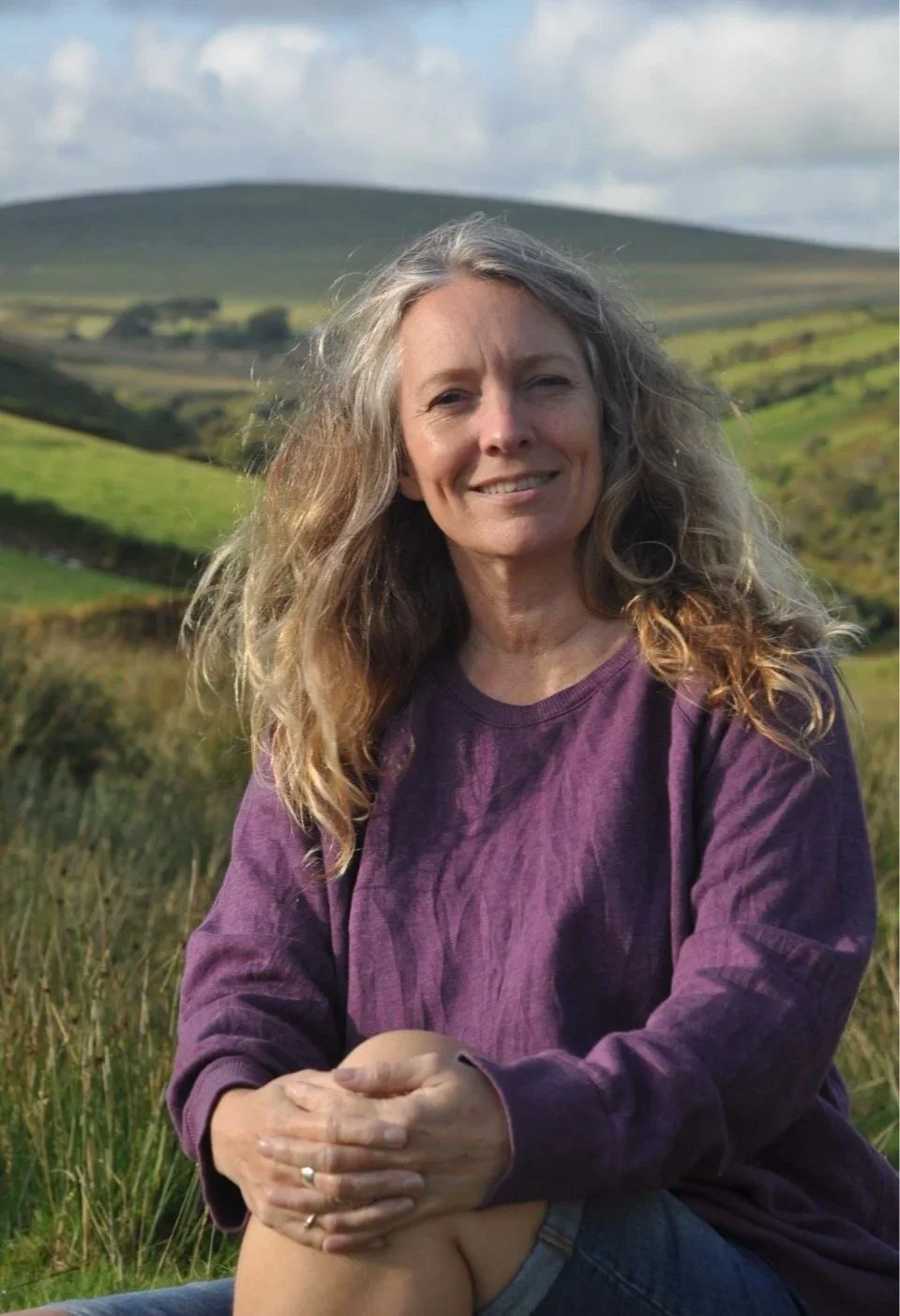
Burnout consultant and dementia specialist. Cornwall-based. Working with women in the sandwich generation.
In 2018 I sat down at my computer one morning and the words on the screen weren't words anymore. They were wobbly hieroglyphs. I couldn't read my own emails.
The night before, the first panic attack had hit in the middle of the night. Veins full of ice, loss of sensation down my left side. My husband was seconds away from calling the emergency services when we realised what it was.
And still, the next morning, I was at my desk by eight. I told him there was no way I could take the day off. Most of what I was holding couldn't be passed to anyone else. I believed that completely.
Then my brain did something I'm grateful for now. It was as if it said: I have been screaming at you for over a year and I can't anymore.
I asked my husband Daron to read out the urgent emails. We replied to a few. Within twenty minutes the laptop was shut. I didn't open it, or touch my phone, for six months.
That was my burnout. It is the reason this work exists.
Who I work with
I work with women in midlife who are holding a great deal at once. A career or a business. Children who still need them. A parent whose memory is going, or whose body is failing, or both.
The sandwich generation. The phrase is clinical for what it actually is, which is the experience of being needed in two directions while quietly disappearing in the middle.
Most of the women I work with are competent, capable and exhausted. They are not looking for someone to rescue them. They are looking for someone who understands the actual shape of their life and can help them carry it without losing themselves inside it.
What I bring to it
Twenty-five years as a trainer, a coach and a director. Originally a mental health nurse. I co-founded Memory Matters CIC and ran it for thirteen years alongside my sister-in-law Kate Smith, supporting families & those living with dementia across the South West.
Alongside my own practice, I deliver training on behalf of Promas CIC and work part-time with the Sensory Trust on their Creative Spaces project, a free dementia-friendly walking programme across rural Cornwall.
I am also probably neurodivergent and definitely perimenopausal. I have a personal relationship with burnout. I have, at various points, completely ignored everything I now teach. Which is part of why I know it works.
The work I do sits at the meeting point of three things that usually get treated separately: nervous system regulation, dementia family support, and the quiet structural reality of being a woman who has always been the responsible one.
What I actually believe
-
Burnout is rarely a time management problem
It is almost always a capacity problem, layered on top of a story problem, layered on top of a nervous system that has been on for too long. The work is at the layers underneath.
-
The body keeps the score, but it also holds the answers
Most of the women I work with already know what they need. The work is making space for them to hear it again, and to act on it with someone alongside them.
-
Dementia carries a grief that starts long before the end
The relationship you had is changing while the person is still in front of you. Most people do not have language for this kind of loss. Part of my job is providing it.
How I Work
Slowly. With a lot of attention to what is actually happening rather than what should be happening.
The work moves through three layers. Body first, because nothing else lands until the physiology has somewhere to settle. Story next, because the rules that got installed years ago are still running underneath every decision. The rules about being the responsible one, the one who copes, the one who does not need much. Self last, because the deeper question is not how to manage your life better. It is who you actually are when you are not performing competence at it.
Many women arrive hoping to get back to their old self. The work goes somewhere more interesting. It meets you where you actually are now, and builds forward into the next iteration of who you get to be.
Where to start
-

RESTORE 1;1
Six sessions over twelve weeks, with WhatsApp support throughout. For women who want focused, personal work alongside someone who has done it themselves. £750.
-
RESTORE Foundations
A self-paced library of seven modules and twelve videos. For women who want to start in their own time, in their own way. Lifetime access. £47
-
Dementia Daughter Session
A 90-minute session for those supporting someone with dementia. Communication, presence, and the emotional ground nobody else is talking about. £90.
If you are looking for someone
A discovery call is the way in. We talk for thirty minutes about where you are and whether what I do is the right fit. If it is not, I will tell you, and where I can, I will point you to someone who is.
"It was like having her nurturing voice on my shoulder, and she's still there now."
— Kate, Senior Executive